The Healing Home
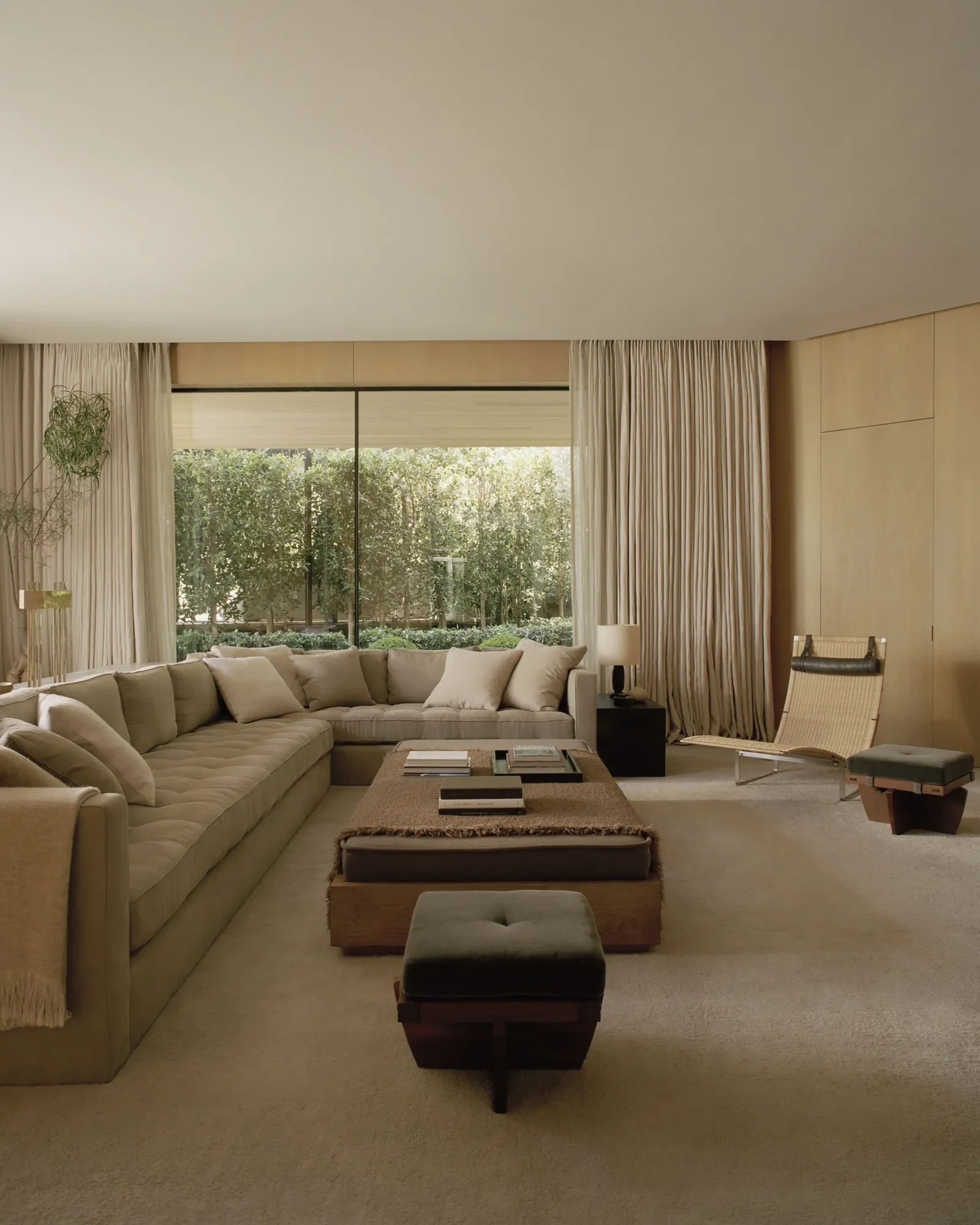
The Healing Home
This is the hill I’ll die on.
If you want to know what lights a fire under my ass, it’s this: the environment we live in and the way it quietly shapes our health over time. I believe our homes, the place we spend the most time, should support the body rather than work against it. It is one of the few spaces we still have real influence over, and I don’t take that lightly.
This didn’t start in theory for me. It started in 2018 during a full renovation of a home that had been affected by mold. At the time, I thought I was rebuilding a structure. What I didn’t realize was how deeply I would begin to understand what a home actually is, not just walls and finishes, but air, water, materials, and the constant exchange between the body and its environment.
There was a moment, after spending time away in the desert and returning home, where I could feel spaces differently. Nothing visible had changed, but certain rooms felt heavy and others felt clear. That was when I started paying closer attention to what I had previously never questioned.
Water was the first layer. Not just shower water, but drinking water, bath water, and how it moves through a home system before it ever reaches us. From there, the awareness widened. Air became something I paid attention to, not just in terms of ventilation but in how it circulates through materials and enclosed spaces. Walls and drywall systems became part of the conversation, along with what is released into the air over time. Filtration stopped feeling excessive and became a practical step that changed the baseline of what we were living in.
Then it expanded again into what we touch constantly. Fabrics we sleep in and wear all day. Laundry systems and what they leave behind in clothing. Cleaning products that sit on surfaces. Fragrance in the air. Light and the way it affects the nervous system from morning to night.
None of these things feel extreme in isolation. That’s the point. It is the accumulation that matters, the repetition of exposure that slowly becomes the environment itself.
I’ve seen this not only through research, but through lived experience within my own family. Testing revealed significant mold toxicity, heavy metals, and environmental burden in our bodies, and what was found in our home closely mirrored what was showing up in our testing. It changed the way I understood the relationship between the home and human health entirely. What once felt theoretical became deeply tangible when I realized how much the body can quietly carry from the environment it lives in every single day.
What I learned is that most homes are not intentionally designed around this awareness. But they can be adjusted. Not all at once, and not in a dramatic way, but through layered decisions that shift the baseline over time.
Water filtration systems that reduce what enters the home at its source. Air purification that changes what circulates through shared spaces. Material choices during construction or renovation that reduce what off-gasses into living environments. Laundry and cleaning systems that reduce residue on the things we touch every day. These are not theoretical ideas. They are tangible entry points.
A home shapes far more than how we live visually. Beauty still matters deeply to me, the warmth of a space, the materials, the light, the feeling a home creates when you walk into it. But over the years, I became more aware that a home also influences the air we breathe, the water we use, the materials we touch, and the constant daily exposures affecting the body over time. Through mold exposure, environmental illness, and the impact it had on my family, what began as a personal shift slowly became a completely different way of approaching the home, not just as something beautiful to look at, but as a space that can either support recovery, resilience, and everyday well-being or quietly work against it through the accumulation of what we live with every single day.
The shift is rarely loud. It looks like refinement rather than overhaul. You begin to notice what your body responds to. You start removing what doesn’t align. You replace slowly, intentionally, over time. And the home starts to feel different. Not perfect or sterile, but clearer. More supportive. Less noise in the background of daily life.
This is what I care about now. Creating homes that are not just beautiful, but considered in what they hold and what they allow in. Spaces that support the people living inside them at the most foundational level of health and daily living. Because while we cannot control everything outside of us, we still have agency over the environments we build and live within. And sometimes, that changes everything.