After The Desert
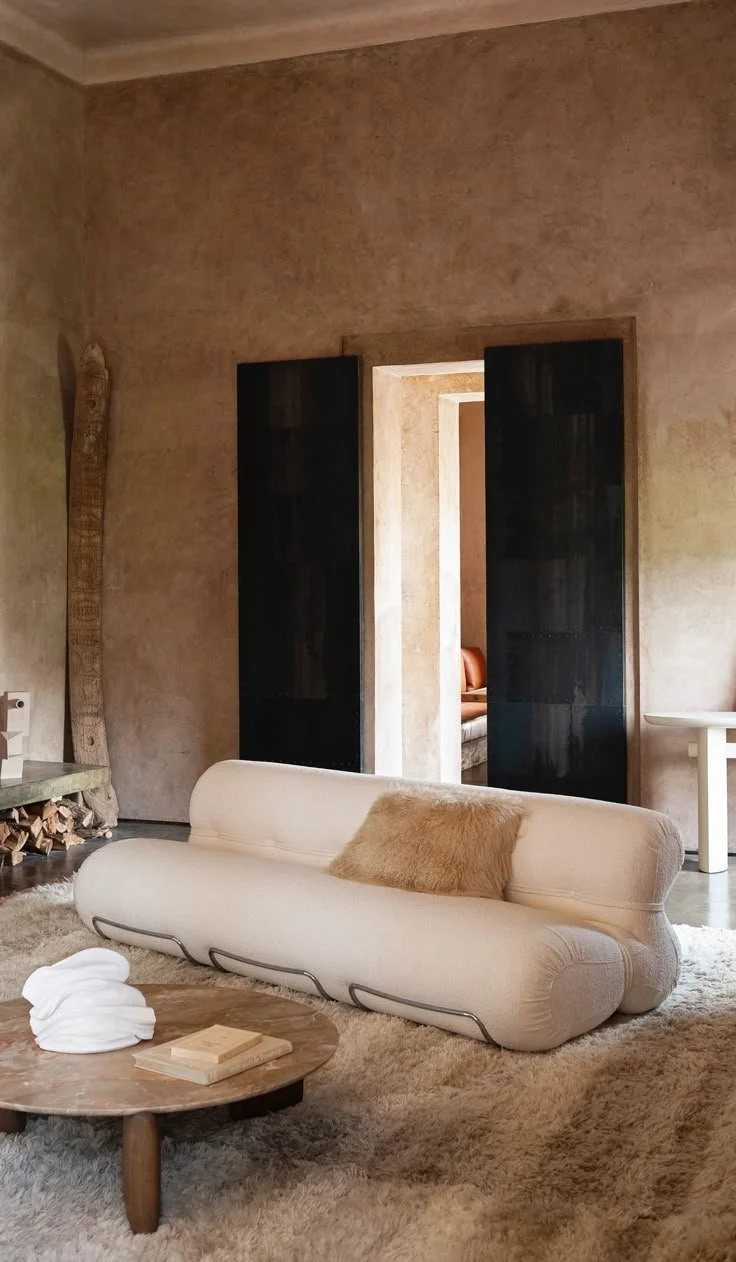
When I came home from the desert, I did what most people do when they finally feel something shift in their body again. I went looking for answers. You know that moment where something finally clicks just enough to give you hope, and suddenly you’re convinced you just need to find the missing piece that will make everything make sense.
I found a functional doctor who listened and ran everything. Blood, urine, hormones, gut, toxins, the full picture. What came back wasn’t shocking, it was confirming. My body was overburdened in ways that had been building quietly for years, severe mold exposure, Lyme disease, gut dysfunction, hormones completely dysregulated, a nervous system stuck in full survival mode. My body wasn’t whispering anymore, it was shutting down.
So I did what I thought healing required. I got serious, aggressive, and very intentional. Supplements stacked on supplements, powders, pills, drops, timed routines that took over my days. Mornings stopped feeling like mornings and started feeling like something I had to manage. Everything had a place, a time, a purpose, and if you had looked at it from the outside, it would have looked like I was doing everything right.
And still, I felt worse.
Around that same time, we discovered mold in our home. Not a little, not questionable, but alarming levels, the kind you don’t debate. The kind that makes your stomach drop when you realize you’ve been living inside it, sleeping in it, breathing it in every day. I had been trying to heal in an environment that was still making me sick, while overwhelming a body already under pressure by continuing to add more to it. We moved out quickly and gutted the house, walls opened, systems replaced, everything stripped back to what we thought was the source.
At the same time, I was managing the remodel, spending hours each day trying to fix what we had just uncovered, while also carving out time for IV therapy, sitting there for hours, committed to doing whatever it took. My days were full of effort, full of inputs, full of trying to get it right. And somewhere in all of that, I missed the most obvious piece. There was no space for rest.
Rest. Remember good old-fashioned rest? I’m not too familiar with it, and quite honestly never have been. But as I sit here and write, remembering the journey I’ve been on, I love some rest.
That’s when it clicked. Nothing I was adding was going to outwork what was still sitting underneath it all. You can’t out-supplement your environment, and you can’t rush your way back into balance. I had been approaching healing the same way I approached everything else, push through, stay disciplined, figure it out. But my body wasn’t asking for more effort. It was asking for less.
I found myself in a quieter space, with less noise, less input, less to manage. No protocols taped to the wall, no rows of supplements lining the counter, just space. For the first time, I stopped trying to force my body into health and started paying attention to what was actually underneath it. My body wasn’t failing me, it was overloaded.
I didn’t need more inputs. I needed less pressure, less toxicity, less noise. A cleaner environment, a steadier pace, space for my system to regulate instead of constantly respond.
Healing began to look different. Less like something to manage and more like something to support, a foundation built on what actually holds, light, air, water, rest, simple food, time outside, warmth, and quiet. The direction changed, and from there I started rebuilding differently, not just how I healed, but how I lived and what I allowed into my environment.